An Intergovernmental institution under
United Nations Treaty Series 49006 / 49007

EUCLID Faculty Profiles

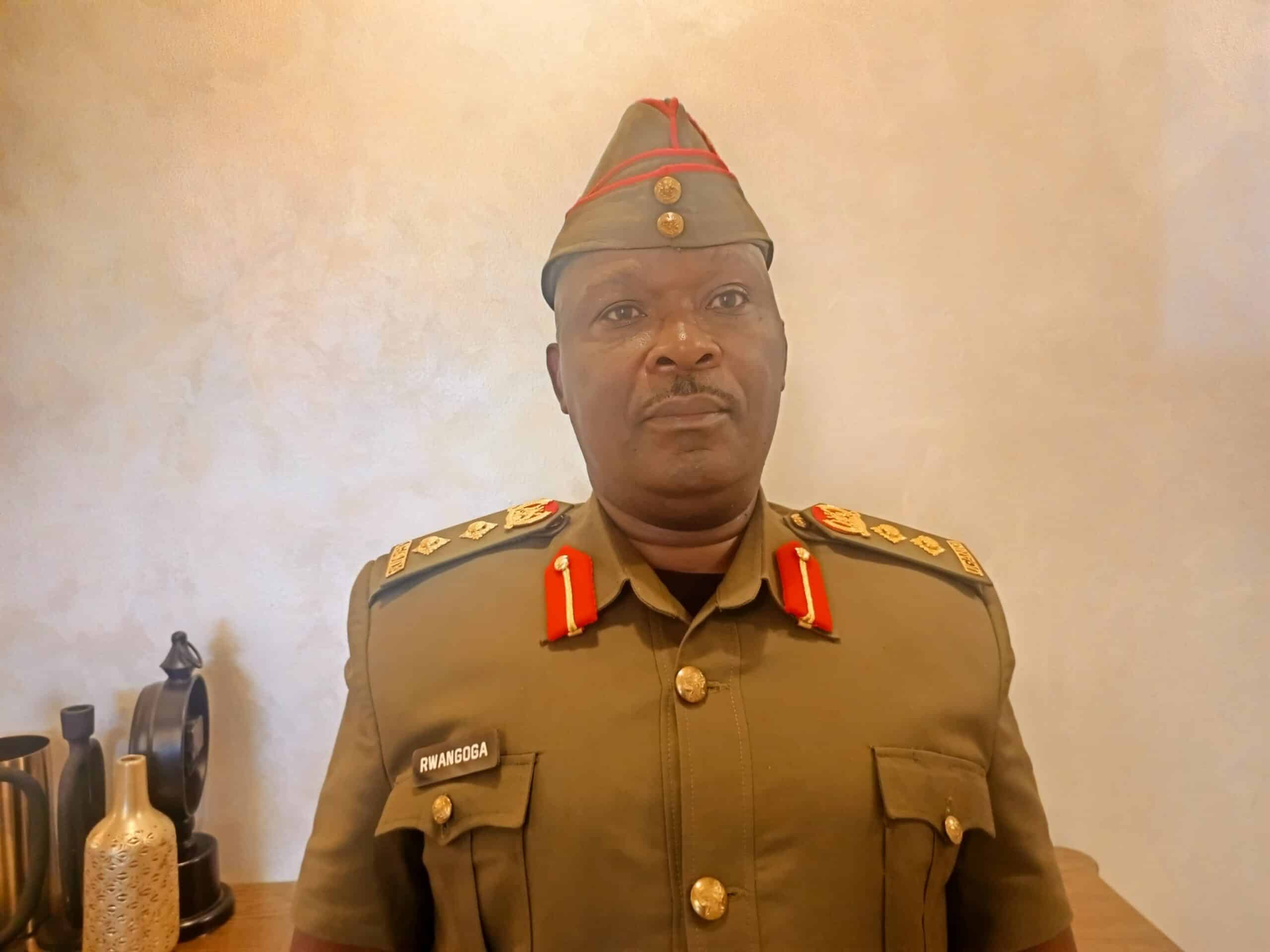
Col. Dr. Davis Ankunda Rwangoga

Senior Lecturer

Dr. Davis Ankunda Rwangoga is a distinguished Ugandan military officer, academic, and senior diplomat-in-residence, currently serving as the Head of the Faculty of Diplomacy and International Relations at the National Defence College of Uganda (Ministry of Defence and Veteran Affairs). He is also an active faculty member with Euclid University, where he earned his Doctorate in Diplomacy and International Affairs (2022).

Dr. Rwangoga brings a unique blend of high-level strategic practice and academic rigor to his teaching. His professional portfolio is deeply rooted in defence diplomacy, regional security architecture, and conflict resolution across the African Great Lakes region and the Horn of Africa. In his capacity at the National Defence College, he is responsible for designing and implementing advanced training programs in defence and regional diplomacy, mentoring candidates in the Master of Arts Degree in Security Strategy (MASS), and conducting specialized mentorship training for newly deployed Ugandan diplomatic corps officers.

His academic trajectory complements his operational experience. He holds a Master of Arts in Conflict Resolution and Peace Building from Kampala International University (2010) and a Post Graduate Diploma in Strategic Studies from the University of Nairobi (2016). His doctoral research, titled "Realism and Neo-Realism in Sino-Africa Trade Diplomacy: Chinese Rice Production in Uganda as an Illustrative Paradigm in Asymmetrical Relations," established his reputation as a leading voice on asymmetric power dynamics in international trade.

Dr. Rwangoga is a prolific contributor to defence and security literature, with regular features in the Tarehe Sita military magazine. His recent work examines the intersection of ideology, national development, and extra-continental partnerships, including his 2022 analysis of China's Belt and Road Initiative in Africa. A disciplined, hardworking officer with a keen sense of inquiry, Dr. Rwangoga remains committed to bridging the gap between classical international relations theory and the practical realities of security and diplomacy in the Global South.
📅 Last updated:

Research & Interests + Publications:

Dr. Rwangoga’s current scholarly agenda is driven by a need to understand how ideology, economics, and power shape national destiny. His recent interests include: Sino-Africa Asymmetrical Relations: Building on his doctoral thesis, he continues to investigate how Chinese infrastructure and agricultural investments (e.g., the Belt and Road Initiative) alter local political economies and sovereign decision-making in African states. He asks whether these partnerships represent neo-colonial dependency or a pragmatic path to development. Ideology and National Cohesion: His latest work (2025) explores how shared ideological frameworks—or their absence—influence long-term state stability and resilience, with a specific focus on Uganda and its neighbours. The Militarization of Public Health: Revisiting his earlier applied work (e.g., Karampenge: The Life of a Soldier in the Fight against HIV/AIDS), he is developing new research on the role of defence institutions in pandemic response and health security as a component of human security. Realist Theory in Practice: He remains actively engaged in critiquing and refining realist and neo-realist lenses to better explain trade diplomacy, military cooperation, and conflict escalation in 21st-century Africa.

Faculty Relationships at EUCLID:

At EUCLID, faculty interactions are intentionally personal, responsive, and relationship-centered. Students connect with professors primarily through direct email and scheduled Zoom sessions, creating regular opportunities for substantive dialogue rather than one-way communication.

Professors respond promptly to emails with detailed, constructive feedback and are readily available for one-on-one Zoom meetings to discuss coursework, research direction, thesis development, or career goals. These interactions are not limited to academic questions; they often evolve into ongoing mentorship relationships where faculty serve as professional and academic role models. Students benefit from professors’ real-world experience in global affairs, sustainable development, diplomacy, and related fields, gaining practical insights that complement the formal curriculum.

The emphasis is on genuine relationship building. Many students develop lasting professional connections with their professors, who actively support their academic progress and post-graduation objectives. This accessible, human-centered faculty model is a defining feature of the EUCLID experience, designed to foster intellectual growth, professional maturity, and meaningful scholarly collaboration.

Office: Uganda

L’érosion des marques des universités d’élite : L’accessibilité en ligne, les changements idéologiques et la montée des concurrents mondiaux

Les grandes universités américaines, en particulier l'Ivy League, ont longtemps symbolisé l'exclusivité, le mérite rigoureux…

The Erosion of Elite University Brands: Online Accessibility, Ideological Shifts, and the Rise of Global Competitors

Major American universities, particularly the Ivy League, have long symbolized exclusivity, rigorous merit, and intellectual…