
An Intergovernmental institution under
United Nations Treaty Series 49006 / 49007

EUCLID Faculty Profiles

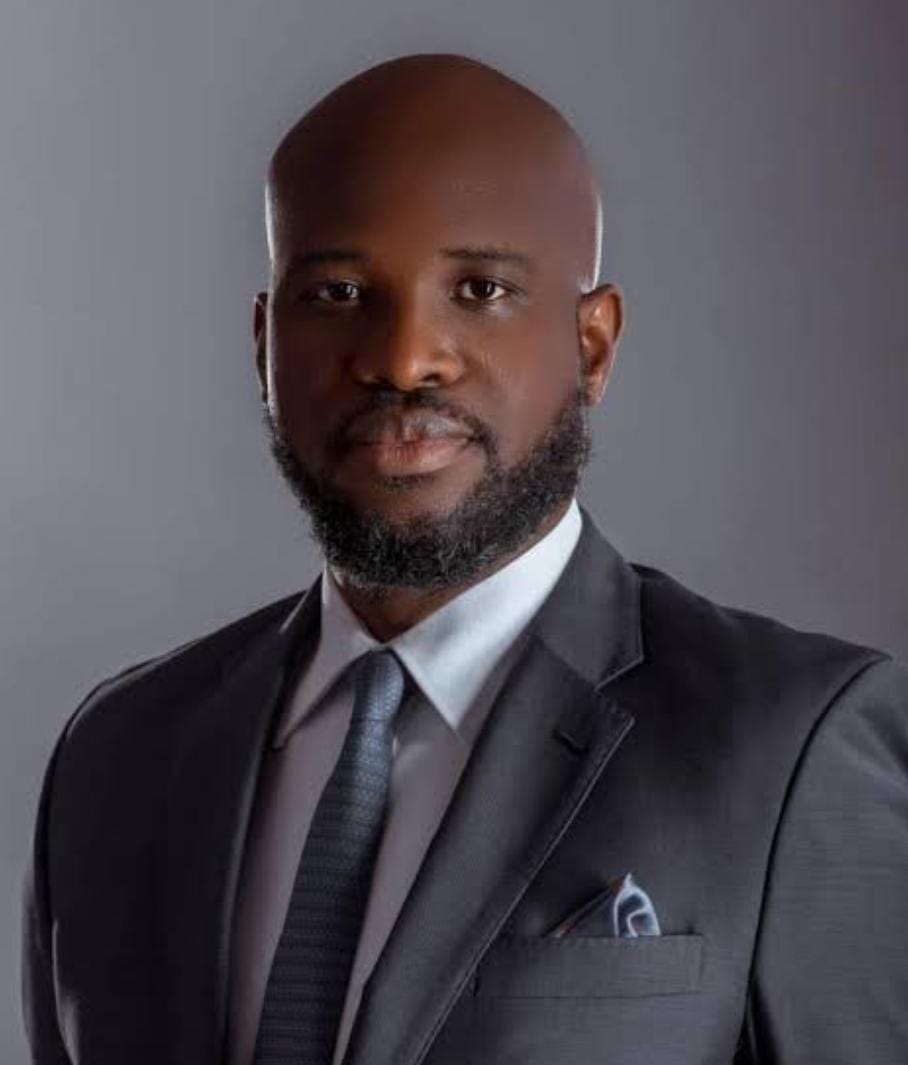
Dr. Ese Stephen OWIE

Associate Professor of International Law and Policy

Dr Ese Stephen Owie is an international trade lawyer, international law scholar, trade policy and sustainable finance practitioner with nearly three decades of multi- jurisdictional experience advising governments, multilateral institutions, non- profits, private organisations, and policy platforms on international economic law, WTO law, regional integration, climate-trade governance, renewable energy, infrastructure strategy, and sustainable development. He is Associate Professor of International Trade Law, International Relations, Trade Diplomacy, and Policy at Euclid University; Senior Advisor to the Remaking Trade for a Sustainable Future Project, working with Professor Daniel C. Esty (Yale University) and Professor Joel Trachtman (Tufts University) on next-generation WTO reform; Convenor of the Africa Trade Policy Working Group, a Pan-African platform launched at the 14th WTO Ministerial Conference in Yaoundé to advance coordinated African agency in
global trade governance; Expert with the Trade and Public Policy Network (TaPP) at Oxford's Blavatnik School of Government; Visiting Fellow at Essex Law School; President of The Cavendish Institute; and CEO of the University of Oxford Climate Alumni Network.

He previously served as Executive Director and Chief Responsibility Officer of the Centre for International Trade and Policy in Geneva; Special Adviser with Cabinet Rank to the Governor of Edo State, Nigeria; and Executive Chairman of the Edo State Board of Internal Revenue, where he led major institutional revenue reforms.

Dr Owie holds a DPhil in Public International Law from the University of Oxford (Linacre College); an LLM in International Law with distinction from the University of Hull, where he received the Josephine C. Onoh Memorial Prize for best graduating student; a BL from the Nigerian Law School; and an LLB from the University of Benin. He has also undertaken executive and professional education at the Harvard Kennedy School; the MIT Sloan School of Management as a Foundry Fellow at the Kuo Sharper Center for Prosperity and Entrepreneurship; the Saïd Business School, University of Oxford; Vrije Universiteit Brussels; the University of Greifswald; the Oxford Public and Third Sector Academy for Sustainable Finance; the International Institute of Humanitarian Law in Sanremo, Italy; and The Hague Academy of International Law.
📅 Last updated:

Research & Interests:

Dr Owie’s research, teaching, and advisory work sit at the intersection of public international law, international trade law, trade economics, trade policy, geopolitics, geopolitical risk, critical minerals, climate change, sustainable development, sustainability strategy, and the energy transition. His current research examines how global trade rules can be reimagined to support sustainable development, climate alignment, green industrialisation, digital transformation, and equitable participation by developing and resource-dependent economies in global value chains. His work engages WTO reform, dispute settlement, subsidies, services liberalisation, special and differential treatment, trade and climate measures, carbon border adjustments, digital trade, artificial intelligence, data governance, trade remedies, market access, SPS and non-tariff barriers, investment, government procurement, and the AfCFTA interface with the multilateral trading system. He is particularly interested in how trade law and policy can respond to the strategic pressures of a just climate transition, critical minerals governance, energy security, infrastructure finance, industrial policy, and supply-chain vulnerability. His teaching interests include international economic law, WTO law and jurisprudence, international trade negotiations, trade diplomacy, regional integration, international business, financial markets regulation, sustainable finance, climate- trade governance, and the political economy of development, with a strong emphasis on translating rigorous legal and economic analysis into practical tools for policymakers, negotiators, regulators, and future public leaders.

Faculty Relationships at EUCLID:

At EUCLID, faculty interactions are intentionally personal, responsive, and relationship-centered. Students connect with professors primarily through direct email and scheduled Zoom sessions, creating regular opportunities for substantive dialogue rather than one-way communication.

Professors respond promptly to emails with detailed, constructive feedback and are readily available for one-on-one Zoom meetings to discuss coursework, research direction, thesis development, or career goals. These interactions are not limited to academic questions; they often evolve into ongoing mentorship relationships where faculty serve as professional and academic role models. Students benefit from professors’ real-world experience in global affairs, sustainable development, diplomacy, and related fields, gaining practical insights that complement the formal curriculum.

The emphasis is on genuine relationship building. Many students develop lasting professional connections with their professors, who actively support their academic progress and post-graduation objectives. This accessible, human-centered faculty model is a defining feature of the EUCLID experience, designed to foster intellectual growth, professional maturity, and meaningful scholarly collaboration.

Office: Nigeria

EUCLID Report on visits to Rwanda and Ethiopia

EUCLID (Euclid University) today released details of the recent official mission undertaken by Professor Laurent…

President Touadéra presides over 2025 convocation

Bangui, Central African Republic – November 6, 2026 – His Excellency Professor Faustin-Archange Touadéra, President…