An Intergovernmental institution under
United Nations Treaty Series 49006 / 49007

EUCLID Faculty Profiles

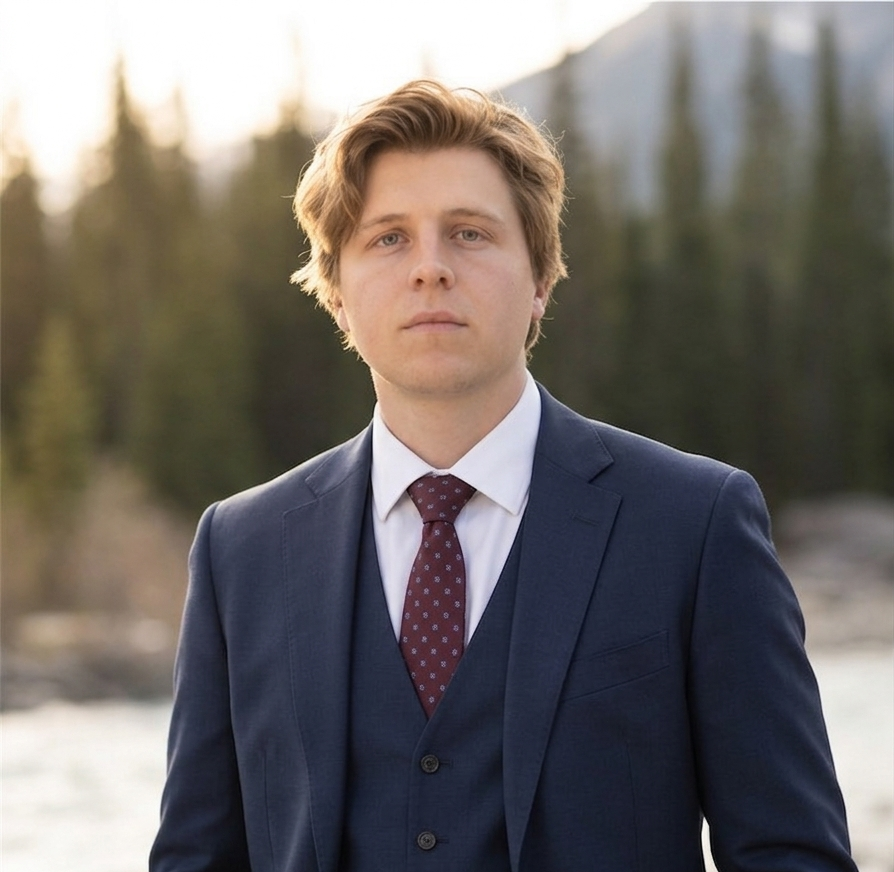
Dr. Luke Huffman

Senior Lecturer

Luke C. Huffman has a PhD in Environment and Resources with a minor in Botany at the University of Wisconsin-Madison, . He holds an M.S. in Environmental Science from the University of Idaho (2022) and a B.S. from Utah State University (2019). Since 2019, he has been the Owner and Manager of Lakeland Restoration, an aquatic plant biology company focused on surveys and mechanical/chemical management. His practical experience is complemented by academic roles, including as a researcher in an Aquatic Toxicology Lab and as a Project Assistant funded by the Great Lakes Restoration Initiative, where he conducts research on aquatic invasive species and develops public educational tools. He also serves as the President of the World Aquatic Environmental Science Institute (WAESI), a non-profit dedicated to protecting water resources through research, education, and outreach, and he has earned a Graduate Certificate in Science Communication from UW-Madison.

📅 Last updated:

Research & Interests:

Huffman’s research works include peer-reviewed publications such as an assessment of online search terms for aquatic invasive species outreach in the Journal of Aquatic Plant Management (2025), a data publication on herbicide impacts using a novel asterisk survey method (2026), and a forthcoming book titled Water Plants, Seaweeds, & Allies: A Peculiar Primer on Aquatic Photosynthetic Organisms (University of Alaska Press, in press). His research interests focus on aquatic invasive species, aquatic plant management, environmental messaging, and herbicide effects on biodiversity. Regarding teaching, his experience includes grading undergraduate coursework in environmental science at UW-Madison, teaching fundamentals of aquatic ecosystems to community groups and students through WAESI, and developing educational tools for aquatic plant management practices, demonstrating an interest in science communication and translating complex ecological topics for diverse audiences.

Faculty Relationships at EUCLID:

At EUCLID, faculty interactions are intentionally personal, responsive, and relationship-centered. Students connect with professors primarily through direct email and scheduled Zoom sessions, creating regular opportunities for substantive dialogue rather than one-way communication.

Professors respond promptly to emails with detailed, constructive feedback and are readily available for one-on-one Zoom meetings to discuss coursework, research direction, thesis development, or career goals. These interactions are not limited to academic questions; they often evolve into ongoing mentorship relationships where faculty serve as professional and academic role models. Students benefit from professors’ real-world experience in global affairs, sustainable development, diplomacy, and related fields, gaining practical insights that complement the formal curriculum.

The emphasis is on genuine relationship building. Many students develop lasting professional connections with their professors, who actively support their academic progress and post-graduation objectives. This accessible, human-centered faculty model is a defining feature of the EUCLID experience, designed to foster intellectual growth, professional maturity, and meaningful scholarly collaboration.

Office: USA

L’érosion des marques des universités d’élite : L’accessibilité en ligne, les changements idéologiques et la montée des concurrents mondiaux

Les grandes universités américaines, en particulier l'Ivy League, ont longtemps symbolisé l'exclusivité, le mérite rigoureux…

The Erosion of Elite University Brands: Online Accessibility, Ideological Shifts, and the Rise of Global Competitors

Major American universities, particularly the Ivy League, have long symbolized exclusivity, rigorous merit, and intellectual…