An Intergovernmental institution under
United Nations Treaty Series 49006 / 49007

EUCLID Faculty Profiles

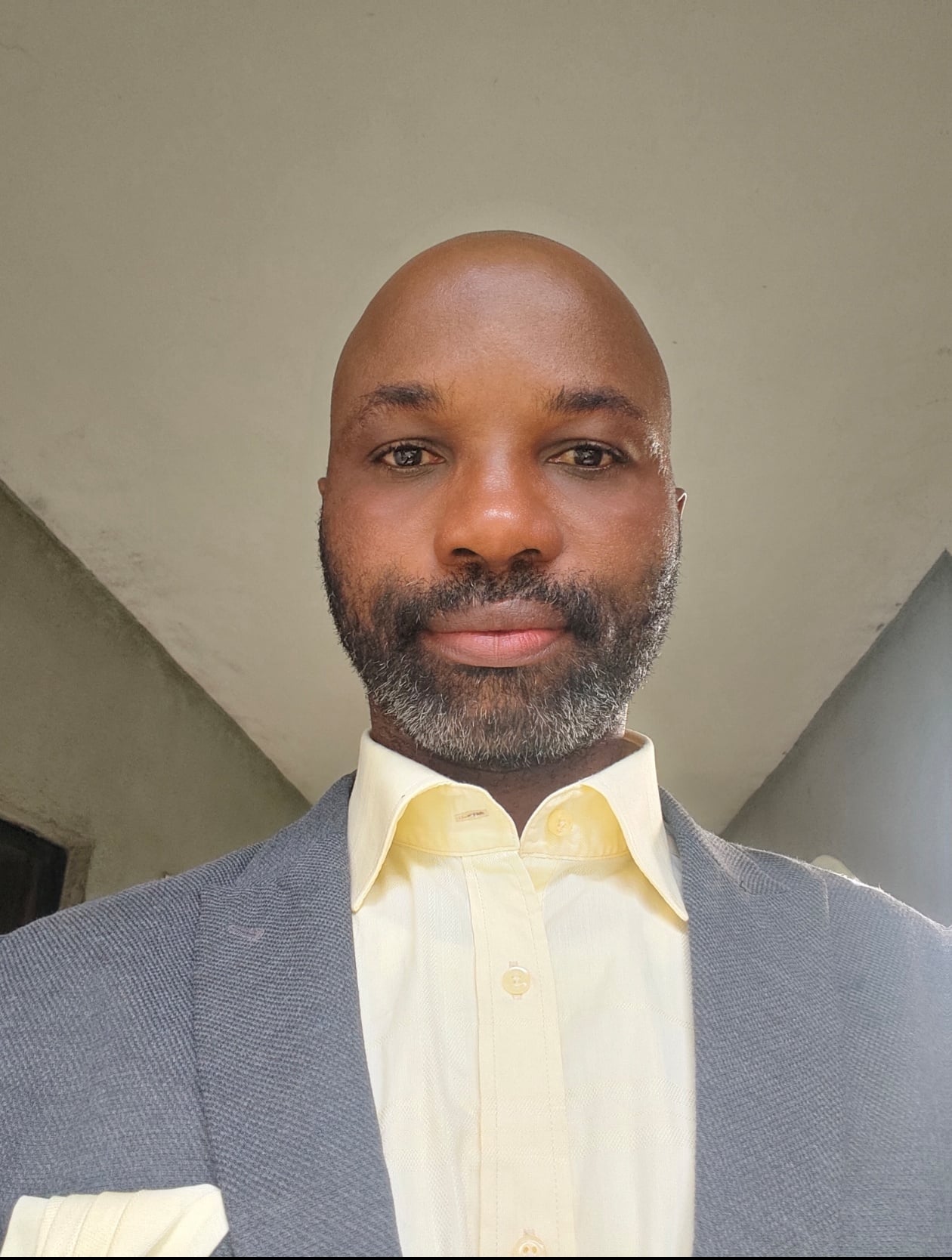
Dr. McLean S. Essiene

Associate Professor, Environmental Sciences and Sustainability

Dr. McLean S. Essiene, CCIP, CPP®, PCI®, PSP®, Ph.D., is an environmental governance and climate security scholar whose work sits at the intersection of climate science, natural resource governance, and global policy. He holds a Ph.D. in Natural Resources and Environmental Management and an M.Sc. in Environmental Management. His expertise spans environmental risk modeling, bioavailability and ecotoxicological assessment, biodiversity conservation, and the governance of natural resources in fragile and resource-dependent economies. He brings a multidisciplinary perspective that integrates environmental science with security and risk management, contributing to a deeper understanding of how climate variability, ecological degradation, and governance structures interact to shape environmental risk, instability, and human security outcomes, with a focus on translating scientific evidence into actionable governance and sustainability strategies.

📅 Last updated:

Research & Interests:

His research focuses on climate–resource–conflict dynamics, climate security, biodiversity conservation, and environmental governance in fragile and resource-dependent regions. He is particularly interested in how climate variability interacts with ecological degradation—especially through hydrological and land-use pathways—to influence environmental health, livelihoods, and conflict risk. In parallel, his work engages with climate diplomacy and global climate governance, including UNFCCC processes, Conference of the Parties (COP) negotiations, and Loss and Damage (L&D) frameworks—particularly the challenges of addressing non-economic loss and damage (NELD), such as impacts on biodiversity, ecosystem services, and cultural systems. He explores how Earth observation data, geospatial analysis, and risk modeling can inform international climate policy, strengthen adaptation strategies, and support decision-making in vulnerable regions.

Faculty Relationships at EUCLID:

At EUCLID, faculty interactions are intentionally personal, responsive, and relationship-centered. Students connect with professors primarily through direct email and scheduled Zoom sessions, creating regular opportunities for substantive dialogue rather than one-way communication.

Professors respond promptly to emails with detailed, constructive feedback and are readily available for one-on-one Zoom meetings to discuss coursework, research direction, thesis development, or career goals. These interactions are not limited to academic questions; they often evolve into ongoing mentorship relationships where faculty serve as professional and academic role models. Students benefit from professors’ real-world experience in global affairs, sustainable development, diplomacy, and related fields, gaining practical insights that complement the formal curriculum.

The emphasis is on genuine relationship building. Many students develop lasting professional connections with their professors, who actively support their academic progress and post-graduation objectives. This accessible, human-centered faculty model is a defining feature of the EUCLID experience, designed to foster intellectual growth, professional maturity, and meaningful scholarly collaboration.

Office: Nigeria

EUCLID Report on visits to Rwanda and Ethiopia

EUCLID (Euclid University) today released details of the recent official mission undertaken by Professor Laurent…

President Touadéra presides over 2025 convocation

Bangui, Central African Republic – November 6, 2026 – His Excellency Professor Faustin-Archange Touadéra, President…