An Intergovernmental institution under
United Nations Treaty Series 49006 / 49007

EUCLID Faculty Profiles

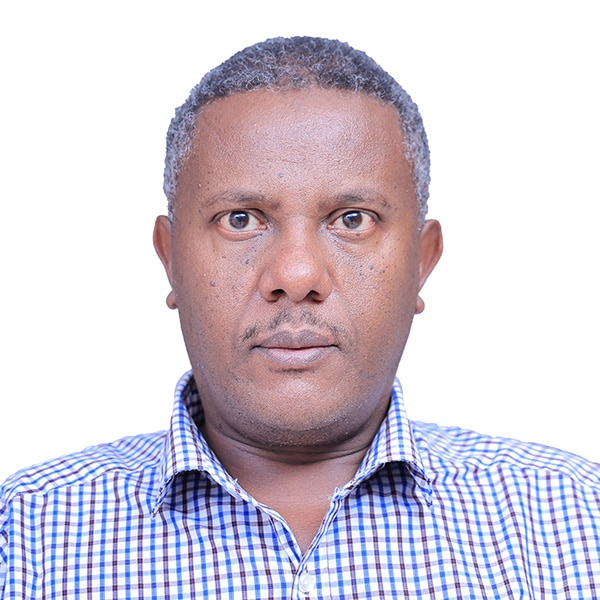
Dr. Belete Tafesse Mihretu

Senior Lecturer

Dr. Belete Tafesse Mihretu is a EUCLID alumnus, public health researcher, and epidemiology specialist with more than 20 years of national and international experience in public health, epidemiology, disease surveillance, immunization, sexual and reproductive health, outbreak preparedness and response, and health systems strengthening.
His career has taken him across Africa and Asia, including Ethiopia, Pakistan, South Africa, the WHO Eastern Mediterranean Region (EMRO) and WHO South-East Asia Region (SEARO), as well as diverse humanitarian, pastoralist, underserved, and other complex field settings. He has undertaken professional assignments and field missions across several countries and territories, bringing extensive experience in translating public health evidence into practical programmes and policy recommendations.
Dr. Belete has worked with leading international and national organizations, including the World Health Organization (WHO), UNICEF, I-TECH, EngenderHealth, USAID-supported health programmes, and the Family Guidance Association of Ethiopia (FGAE), an IPPF affiliate. His work has supported immunization and vaccine-preventable disease control, infectious disease surveillance, sexual and reproductive health, emergency preparedness and response, global disease eradication initiatives, operational research, and health systems strengthening.
He holds a Doctor of Philosophy (PhD) in Epidemiology and Biostatistics from EUCLID University, as well as a Master of Public Health (MPH) and Doctor of Medicine (MD) degree. His technical expertise includes epidemiological and biostatistical analysis, qualitative and quantitative research, mixed-methods research, surveillance and immunization system assessment, operational research, programme evaluation, technical and scientific writing, stakeholder engagement, and training and mentorship.

Research & Interests + Publications:

Dr. Belete's research interests include epidemiology and biostatistics, sexual and reproductive health, vaccine-preventable diseases, immunization systems, infectious disease surveillance, outbreak preparedness and response, health systems research, and public health programme evaluation. His research and professional contributions span Africa and Asia, with particular emphasis on operational and applied research, evidence generation, health-system assessment, and the translation of research findings into actionable recommendations for policy and programme improvement. He has contributed to peer-reviewed publications, technical reports, programme assessments, and evidence-informed public health initiatives, drawing on extensive experience in both quantitative and qualitative research methodologies. His work reflects a commitment to strengthening public health capacity, improving health outcomes, and supporting resilient, evidence-driven health systems in diverse and resource-constrained settings.

Faculty Relationships at EUCLID:

At EUCLID, faculty interactions are intentionally personal, responsive, and relationship-centered. Students connect with professors primarily through direct email and scheduled Zoom sessions, creating regular opportunities for substantive dialogue rather than one-way communication.

Professors respond promptly to emails with detailed, constructive feedback and are readily available for one-on-one Zoom meetings to discuss coursework, research direction, thesis development, or career goals. These interactions are not limited to academic questions; they often evolve into ongoing mentorship relationships where faculty serve as professional and academic role models. Students benefit from professors’ real-world experience in global affairs, sustainable development, diplomacy, and related fields, gaining practical insights that complement the formal curriculum.

The emphasis is on genuine relationship building. Many students develop lasting professional connections with their professors, who actively support their academic progress and post-graduation objectives. This accessible, human-centered faculty model is a defining feature of the EUCLID experience, designed to foster intellectual growth, professional maturity, and meaningful scholarly collaboration.

Office: Ethiopia

EUCLID University Joins the University of the Arctic (UArctic) as a Full Member Following Unanimous Approval by the UArctic Assembly

Membership Strengthens EUCLID's Climate Change Expertise, Global Engagement, and International Research Networks EUCLID HQ –…

L’érosion des marques des universités d’élite : L’accessibilité en ligne, les changements idéologiques et la montée des concurrents mondiaux

Les grandes universités américaines, en particulier l'Ivy League, ont longtemps symbolisé l'exclusivité, le mérite rigoureux…