
An Intergovernmental institution under
United Nations Treaty Series 49006 / 49007

EUCLID Faculty Profiles

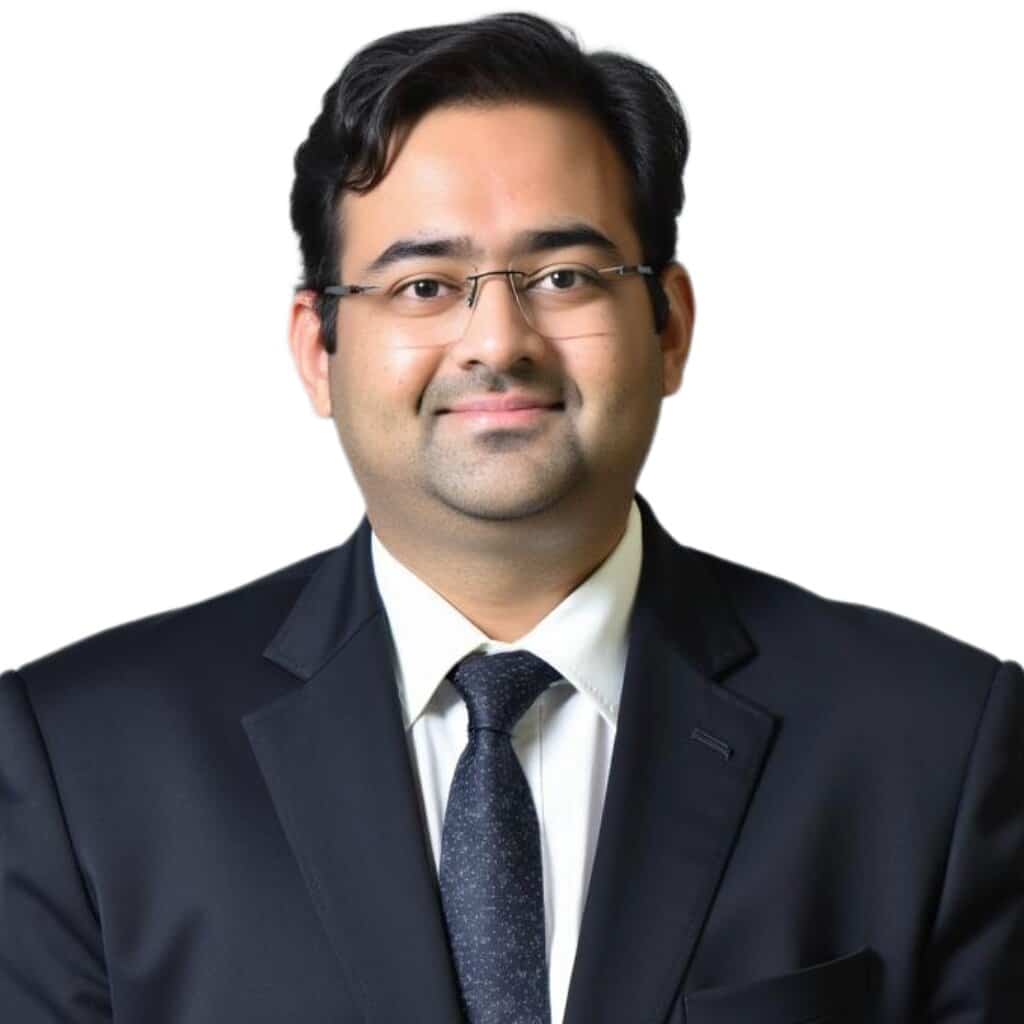
Dr. Ismail Mansoor Ali

Senior Lecturer

Dr. Ismail Mansoor Ali is a distinguished academic and industry professional with a Doctorate in Business Administration and over 10 years of industrial leadership in ISO 17025-accredited microbiology and chemistry laboratories. He currently serves as a Professor and Doctoral Advisor at Global Humanistic University (Anguilla) and as an Associate Professor at Signum Magnum College (Austria), where he spearheads doctoral excellence through dissertation mentoring, academic reviews, and curriculum development. He also holds a prestigious position as a Member of the Academic Advisory Board at Afghanistan Open University (Germany), where he is currently leading the launch of an MBA curriculum in AI Innovation and Entrepreneurship. A Chartered Scientist (CSci) recognized by the UK Science Council and an ISO Lead Auditor, Dr. Ali has demonstrated a proven track record of maintaining uninterrupted accreditation during complex industrial transitions, with extensive experience in method validation, audit management, and quality assurance across diverse sectors including food, water, cosmetics, and environmental testing.

Dr. Ali's academic journey includes a Doctor of Business Administration and a Master of Philosophy from Universidad Católica San Antonio de Murcia, Spain (2023-2025), alongside a Master of Science in Microbiology from Mumbai University, India (2013). His doctoral research developed a novel empirical framework investigating the strategic and operational challenges facing commercial laboratories in the UAE, integrating quantitative statistical modeling with qualitative thematic analysis to bridge scientific rigor with management science. He has authored over 16 peer-reviewed publications spanning microbiology, method validation, and business strategy, with a portfolio of 12 additional research papers produced during his doctorate currently under review. Beyond academia, Dr. Ali serves as an Assessor for the Science Council (UK), evaluating Chartered Scientist and Registered Science Technician applications, and as a Technical Consultant for laboratory accreditation readiness projects. His industry experience includes leadership roles at Geochem Middle East, SGS Gulf Limited, Core Laboratory, and Wimpey Laboratories in Dubai, where he managed microbiology and chemistry departments, implemented cost reductions of up to 40% in PCR testing, and successfully secured accreditations from EIAC, ENAS, ABS, and ESMA. He is multilingual, proficient in English, Hindi, Gujarati, Urdu, and Roman literature, and holds a valid UAE driving license.
Research & Interests + Publications:

Dr. Ali's research interests lie at the intersection of microbiology, laboratory quality management, and strategic business administration, with a focus on method validation, ISO 17025 accreditation, microbial fuel cell technology, nanotechnology applications, and the operational challenges facing commercial laboratories. His doctoral work developed an integrative framework combining management theories (Fayol, Taylorism) with strategic tools (PESTLE, SWOT) to optimize laboratory resources, enhance competitiveness, and align with national socio-economic goals. His Master's research pioneered a novel dual-chamber micro-Microbial Fuel Cell (MFC) platform using polydimethylsiloxane (PDMS) soft chambers, demonstrating bioelectricity generation through Pseudomonas aeruginosa biofilm formation. His publications encompass microbial analysis of earthworm gut microbiota, antimicrobial efficacy studies, method validation protocols for foodborne pathogens (Clostridium perfringens, Escherichia coli, Listeria monocytogenes, Enterobacteriaceae, Bacillus cereus), and comparative analyses of pricing structures in the banking sector. Dr. Ali's teaching expertise spans doctoral supervision, research methodology, laboratory quality management systems, ISO standards implementation, strategic management, and curriculum design for BBA and MBA programs. He is proficient in analytical tools including LIMS, Jamovi, NVivo, and FIJI, and has experience in remote instructional delivery, live lectures, and asynchronous student support through learning management systems, while also contributing to editorial boards for the International Journal of Applied Research and Technology and the Journal of Science, Business and Marketing Research.

Faculty Relationships at EUCLID:

At EUCLID, faculty interactions are intentionally personal, responsive, and relationship-centered. Students connect with professors primarily through direct email and scheduled Zoom sessions, creating regular opportunities for substantive dialogue rather than one-way communication.

Professors respond promptly to emails with detailed, constructive feedback and are readily available for one-on-one Zoom meetings to discuss coursework, research direction, thesis development, or career goals. These interactions are not limited to academic questions; they often evolve into ongoing mentorship relationships where faculty serve as professional and academic role models. Students benefit from professors’ real-world experience in global affairs, sustainable development, diplomacy, and related fields, gaining practical insights that complement the formal curriculum.

The emphasis is on genuine relationship building. Many students develop lasting professional connections with their professors, who actively support their academic progress and post-graduation objectives. This accessible, human-centered faculty model is a defining feature of the EUCLID experience, designed to foster intellectual growth, professional maturity, and meaningful scholarly collaboration.

Office: India

EUCLID University Joins the University of the Arctic (UArctic) as a Full Member Following Unanimous Approval by the UArctic Assembly

Membership Strengthens EUCLID's Climate Change Expertise, Global Engagement, and International Research Networks EUCLID HQ –…

L’érosion des marques des universités d’élite : L’accessibilité en ligne, les changements idéologiques et la montée des concurrents mondiaux

Les grandes universités américaines, en particulier l'Ivy League, ont longtemps symbolisé l'exclusivité, le mérite rigoureux…