A quiet but profound transformation is underway in international student mobility. For decades, the dominant flow has been from Africa and Asia toward prestigious universities in the United States and Europe. That pattern is reversing. Students are increasingly choosing national, regional, or alternative international destinations—particularly in Asia and within Africa—driven by improving homegrown options, affordability, and growing barriers in traditional Western hosts.
The Rise of Asian and African Institutions
Asia's ascent in global higher education is dramatic and well-documented. In the Times Higher Education (THE) World University Rankings, Asian universities have surged: China now boasts multiple institutions in the global top 40, with strong gains from Zhejiang and Shanghai Jiao Tong universities. Hong Kong and South Korea have also posted record performances. QS Asia University Rankings 2026 highlight the University of Hong Kong at the top, followed closely by Peking University and Singapore's powerhouses.
This rise stems from massive government investments (e.g., China's Double First-Class initiative), expanded research output, and English-taught programs. Asian countries now attract growing numbers of international students, including from Africa and Southeast Asia, as alternatives to the West. China alone hosts tens of thousands of African students, drawn by scholarships, lower costs, and streamlined visas.
Africa's progress, while more modest, shows clear momentum. The number of African universities in THE rankings jumped from just 4 in 2012 to 97 by the early 2020s. Research output is climbing, led by institutions like the University of Cape Town, Cairo University, and South African powerhouses (University of Johannesburg, Pretoria, Witwatersrand). In 2025 research-output rankings, Cairo University topped the continent, with strong representation from Nigeria and South Africa.
Publication growth, improved digital visibility, and initiatives promoting intra-African mobility have enhanced perception and accessibility. Regional bodies and national policies are fostering "study closer to home" options, with agents increasingly recommending Eastern Europe, Türkiye, Malaysia, India, and African hubs for their affordability and visa success rates.
Internet visibility and global perception are shifting too. Asian universities dominate search interest and online presence in many markets, while African institutions gain traction through research collaborations and diaspora networks.
Drivers of the Shift: Push Factors from the West
Several challenges in Europe and North America are accelerating this trend:
- Immigration restrictions and visa hurdles: The U.S. saw a 17% drop in new international enrollments in fall 2025, with graduate programs hit hardest (down 12%). Visa delays, denials, and policy uncertainty under the Trump administration are primary culprits. Similar pressures exist in Canada and parts of Europe.
- Security concerns: High-profile incidents, such as shootings near the University of Chicago campus, have heightened worries among international students. Broader urban safety perceptions in U.S. cities factor into family decisions.
- Declining reputation and welcome: Geopolitical tensions, perceived hostility, high costs, and shifting narratives around international students as "cash cows" or security risks have damaged appeal. Many students now view Western destinations as unwelcoming or unstable for long-term stays.
These factors combine with stronger pull from home and regional alternatives: lower costs, cultural familiarity, rising quality, and post-study opportunities in growing economies.
Why This Trend Matters—Especially for Africa and Asia
For Asia, the shift reinforces a virtuous cycle. Retaining talent at home or attracting neighbors accelerates innovation, reduces brain drain, and builds regional soft power. Countries like China, Singapore, Malaysia, and India position themselves as education hubs, fueling economic and technological self-reliance.
For Africa, the implications are even more transformative. Intra-African and South-South mobility helps combat brain drain, aligns education with local development needs, and builds continental capacity. As African economies grow, homegrown universities can produce graduates equipped for regional challenges in health, governance, agriculture, and technology. Increased research output and rankings elevate the continent's global voice and attract investment.
This trend underscores the need for stronger globalized and intergovernmental institutions. Traditional national universities excel in many areas, but cross-border challenges demand collaborative models unbound by single-nation politics.
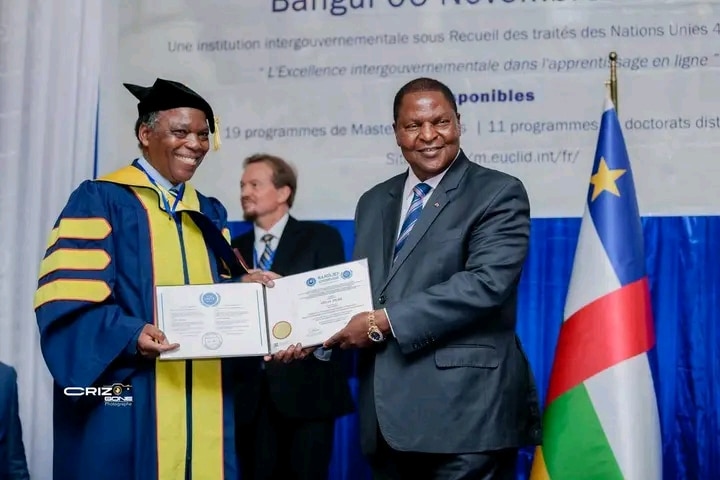
Examples include the United Nations University (UNU), which advances global research and policy training with a multinational mandate, and EUCLID (Euclid University)—a treaty-based intergovernmental institution offering accessible online programs in global affairs, sustainable development, and related fields to students worldwide, including in Africa. These models promote equitable access, diplomatic neutrality, and practical training for public servants and leaders from participating states.
A More Balanced Future
The decentralization of higher education is not a loss for the West but an opportunity for everyone. It fosters genuine competition, diversifies knowledge production, and reduces over-reliance on a few hubs. For African and Asian students and nations, it signals greater agency and optimism: quality education no longer requires crossing oceans at great personal and financial risk.
As this "Asian Decade" (and emerging African momentum) unfolds, policymakers, universities, and students will benefit from embracing multipolar excellence. The future of global knowledge may well be defined not by where students go, but by how many outstanding options they have close to home—or through truly international platforms.