Euclid University Representative Professor Charalee Graydon Publishes Report on COP30 Outcomes and Indigenous Inclusion
Professor Charalee Graydon, legal scholar and accredited representative of Euclid University (intergovernmental observer) to the UNFCCC, has released a detailed personal report on her experience at the 30th Conference of the Parties (COP30) held in Belém, Brazil from 11–22 November 2025.
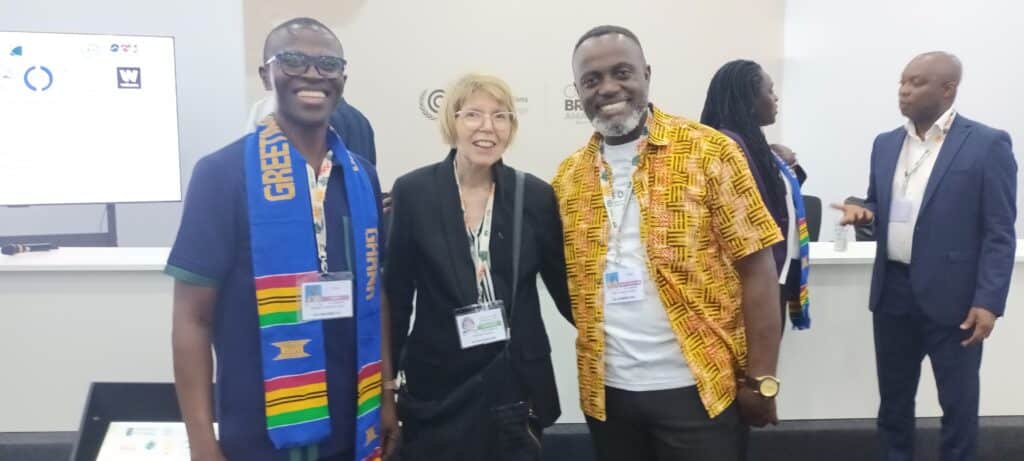
The report, prepared for Euclid University’s quarterly publication, combines firsthand observations, photographic documentation, and analysis of the conference outcomes. Professor Graydon attended COP30 as an official observer delegate from 15–21 November 2025 and actively promoted Euclid University’s climate-related academic programs while engaging with Parties, NGOs, indigenous representatives, and students.
Key highlights from the report include:
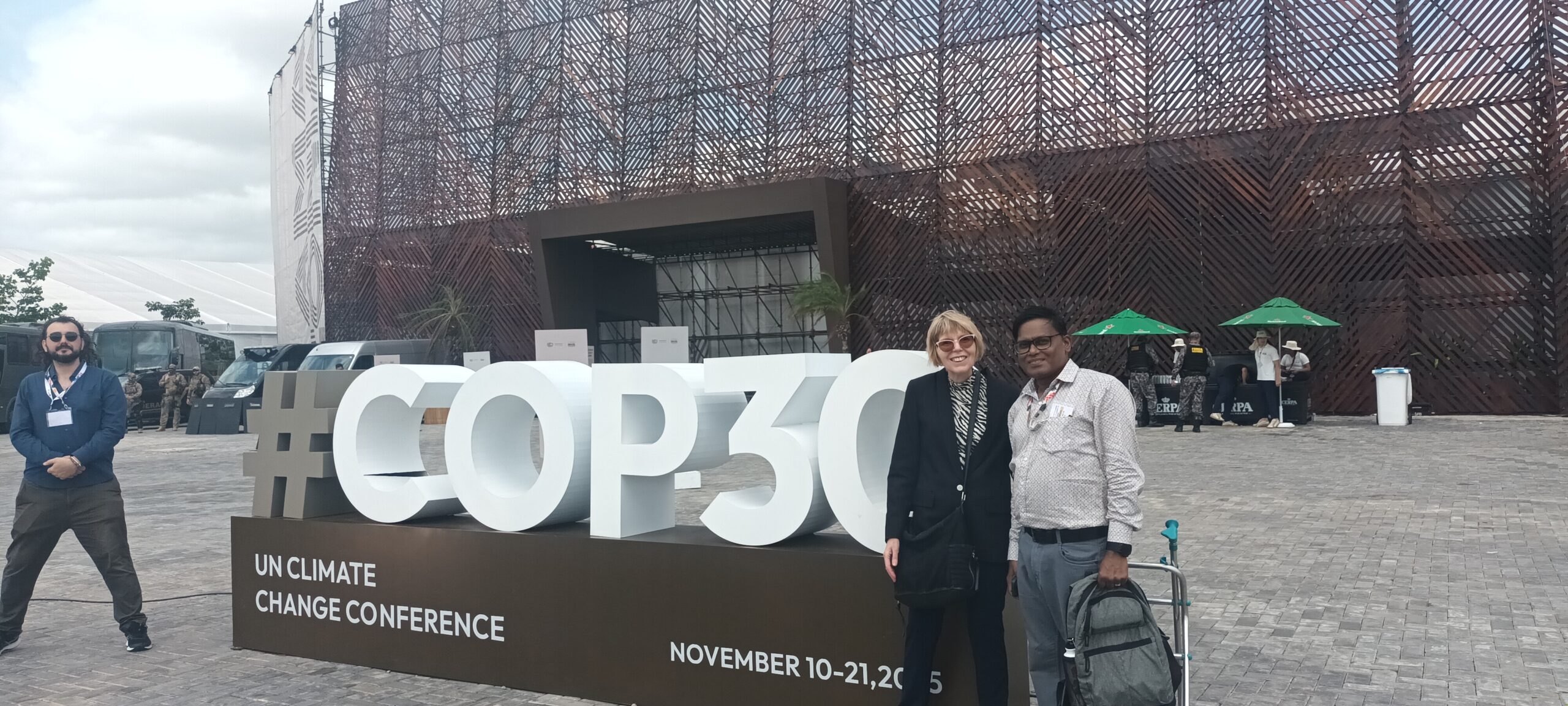
– COP30 achieved significant progress on adaptation, including the adoption of 59 indicators for the Global Goal on Adaptation (GGA) and a new collective target to at least triple adaptation finance by 2035.
– The conference delivered the “Belém Package,” which established a three-year dialogue on implementation, a Just Transition mechanisms, and voluntary sectoral initiatives, including near-zero methane emissions pledges by seven countries.
– Indigenous peoples and local communities received unprecedented recognition and participation, reflecting the Amazonian location and the Brazilian Presidency’s “people-centered” approach.
– Despite high expectations following COP28’s fossil-fuel transition language and the 2024 ICJ Advisory Opinion on State obligations regarding climate change, no formal global roadmap for fossil fuel phase-out or deforestation halt was adopted in the final negotiated text. The Brazilian Presidency has committed to continue developing such roadmaps outside the formal COP process ahead of COP31.
Professor Graydon stated:
“While COP30 fell short of delivering the ambitious fossil-fuel and deforestation roadmaps many had hoped for, it succeeded in shifting the global conversation toward implementation, adaptation, finance, and inclusion of indigenous and local voices. The door has been opened wider than ever before for cooperation between States and the peoples who have protected the Amazon for generations. The United Nations leadership and the UNFCCC framework remain essential to turning these gains into real-world impact.”
The report also documents Euclid University’s active presence at COP30, including meetings with current and prospective students, participation in side events, and promotion of Euclid’s specialized programs in Global Climate Law, Diplomacy, and Sustainable Development.
The full report, including photographs from pavilions, high-level events, and indigenous-led sessions, is now available through Euclid University’s Intergovernmental Research and Policy Journal (IRPJ) and institutional channels.
Media Contact
Prof. Charalee Graydon, Head of Delegation
Euclid University / UNFCCC Accredited Observer
Email: [email protected]
About Euclid University
Euclid University is a specialized intergovernmental university established by multilateral agreement and registered with the United Nations Treaty Series. It holds intergovernmental observer status with the UNFCCC and IPCC.
This post is also available in: French